
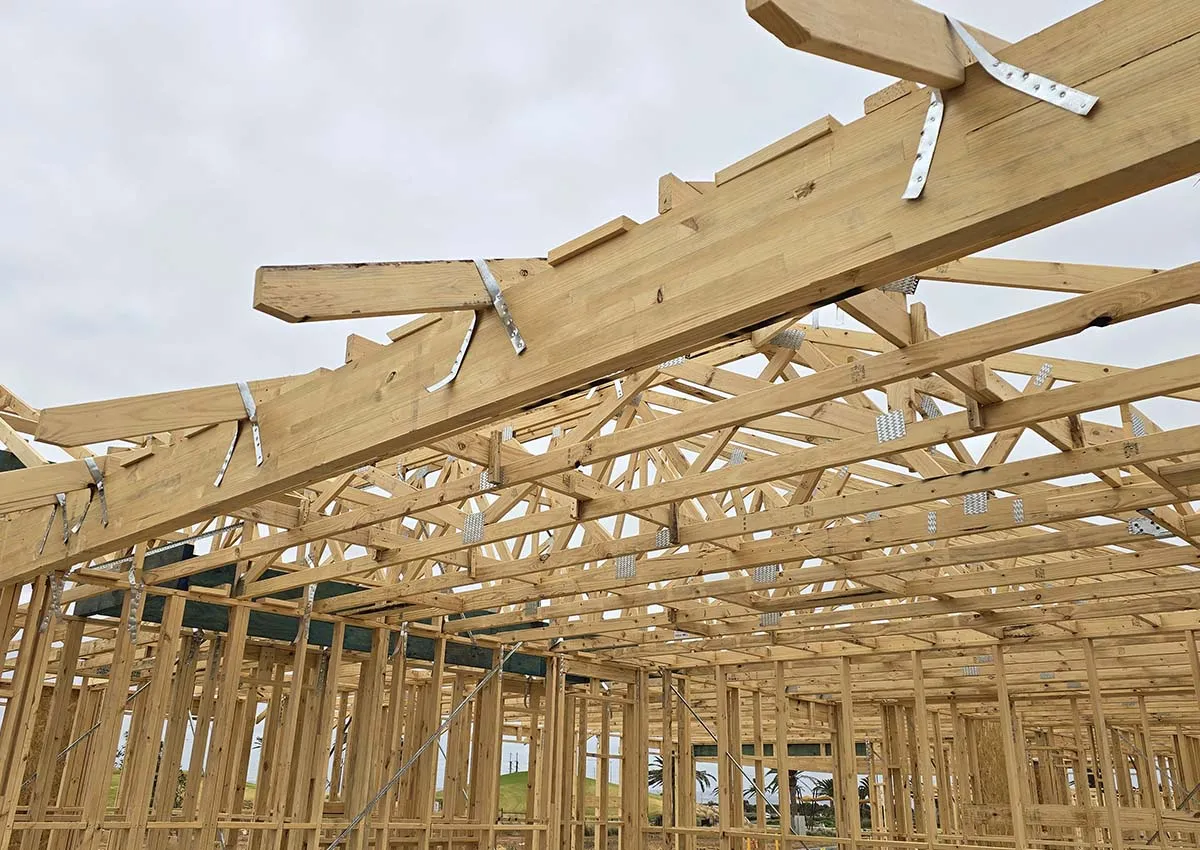
LVL beam is specified a lot in Australian residential and light commercial builds, but it is not a universal fix. It suits certain spans, loads, and detailing needs really well, and it is a poor choice in other areas where moisture, heat, or exposure rule the day.
This guide remains practical. Where it works, where it does not, and why.
What is an LVL beam, and why is it used so often?
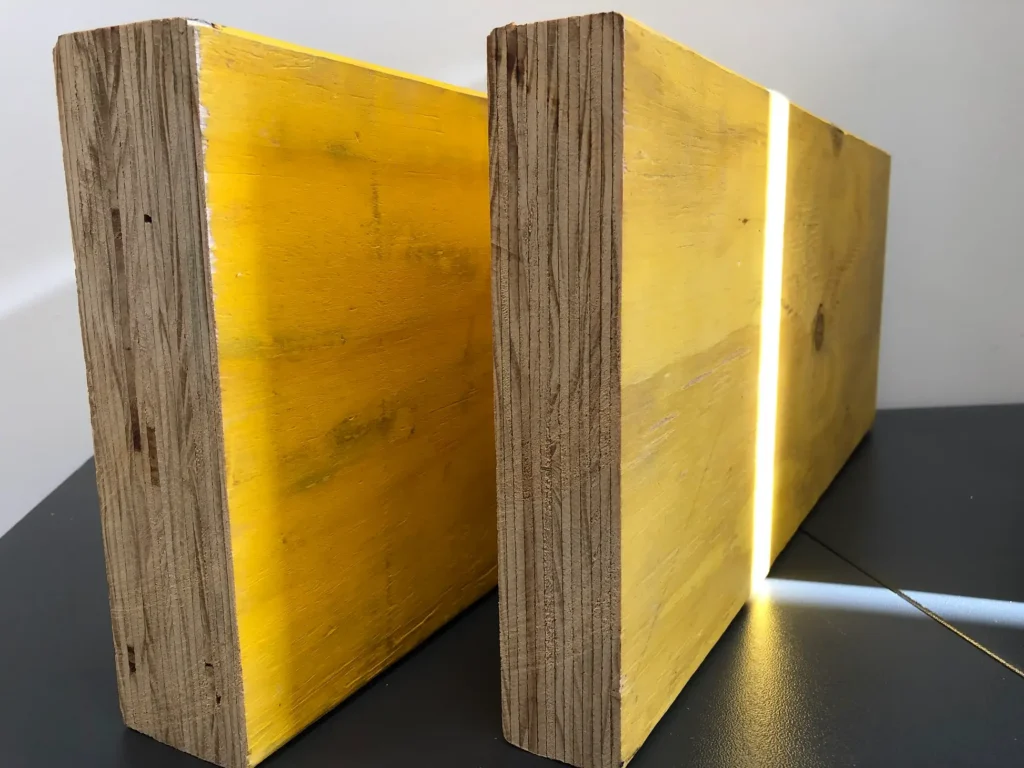
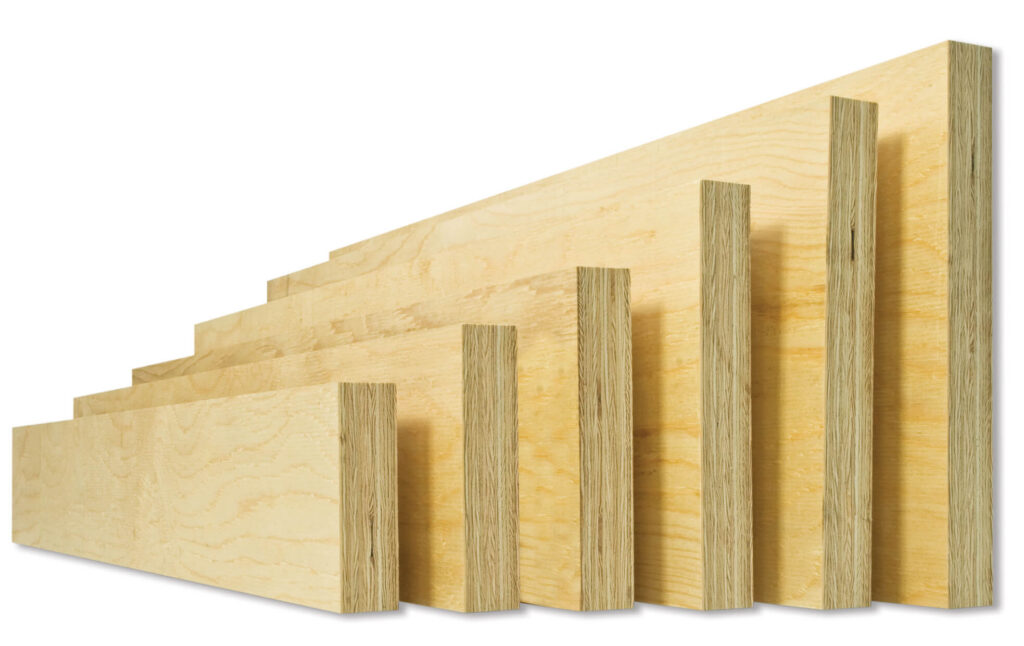
An LVL beam is an engineered timber member made from thin timber veneers laminated together, usually with the grain aligned. It is used because it is straighter and more predictable than most solid timber, and it comes in long lengths that suit modern open plan layouts.
In Australia, it is common to see it specified where builders want reliable strength, consistent sizing, and fewer surprises during installation.
Where is LVL beam most commonly used in Australian houses?
It is most often used as LVL beam for main structural members that carry floor, roof, or combined loads in standard enclosed parts of a house. It is especially common in new builds across Sydney, Melbourne, Brisbane, Perth, and regional growth areas where open spans are popular.
Typical locations include internal loadbearing lines, garage openings, and anywhere a designer wants fewer posts and more clear space.
Can LVL beam be used as floor bearers and joists?
Yes, LVL beam products are regularly used for floor systems, either as bearers, joists, or rim boards, provided the design matches span tables and manufacturer guidance. They are favoured because it stays straighter, so floors feel less bouncy and finishes crack less.
In Australia, correct ventilation to subfloors and termite management consistent with local requirements and the project’s risk rating will still be necessary.”
Is LVL beam suitable for roof beams, ridge beams, and rafters?
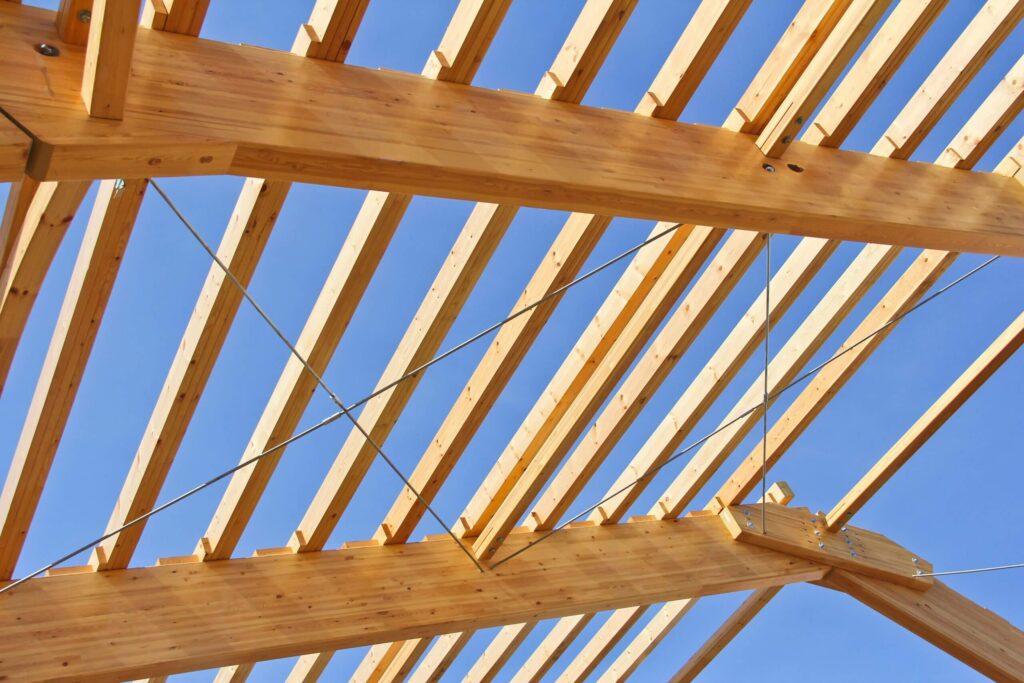
Yes, LVL beam is widely used in roof structures, including ridge beams, hip and valley beams, and sometimes as rafters in high load areas. It suits long spans in cathedral ceilings where they want fewer intermediate supports.
They still need proper bracing, connection design, and consideration of wind classification, especially in coastal Queensland, WA, and exposed parts of NSW and SA.
Do they use LVL beam for large openings like sliding doors and garage doors?
Yes, this is one of the most common reasons an engineer will specify an LVL beam. It works well as a lintel over wide openings for stacker doors, big windows, and double garages, where solid timber might be too deep, too heavy, or too variable.
They should still check deflection limits because door and window performance often depends on minimal movement, not just strength.
Can LVL beam be used in renovations and knock down internal walls?
Yes, LVL beam is frequently used when they remove walls to open up kitchens, dining, and living zones. It can simplify the job because it is available in predictable sizes and can be installed as a flush beam or under beam depending on ceiling and floor framing.
On Australian renos, they should allow for temporary propping, services relocation, and the reality that old houses are rarely square.
Is LVL beam appropriate for verandas, pergolas, and other outdoor structures?
Sometimes, but it depends on exposure and how it is protected. LVL beam can be used outdoors only if the product and detailing suit the conditions, with proper sealing, flashings, and ongoing protection from wetting.
In many Australian backyards, pergolas and verandas get wind-driven rain and harsh sun, so they often shift to steel or appropriately treated timber options that are designed for external exposure from the start.
Where is LVL beam not recommended because of moisture and weather?
They generally avoid LVL beam in spots that stay damp, get regular wetting, or cannot dry properly. That includes unprotected external beams, garden retaining contexts, and areas where pooling water or sprinkler overspray is likely.
In Australian coastal suburbs, salt-laden air and frequent storms make detailing even more critical. If they cannot guarantee protection, another material is usually the better call.
Can LVL beam be used in wet areas like bathrooms, laundries, and kitchens?
It can be used near wet areas, but they usually avoid placing LVL beam where it is directly exposed to water leaks, steam, or repeated condensation. Bathrooms and laundries are fine if the beam stays within dry framing zones and waterproofing is done properly.
If there is a history of leaks, poor ventilation, or they cannot keep it dry, it becomes a risky location and alternatives may be safer.
Is LVL beam a good choice for bushfire prone areas in Australia?
Not always. In BAL rated zones, an LVL beam may still be used, but compliance will depend on the full wall and roof system, protective linings, and the specific product’s suitability. They should follow the project’s BAL assessment and the relevant building requirements.
In high risk bushfire regions like parts of Victoria, NSW, and SA, they often consider steel in exposed structural positions, or they design to keep combustible members properly protected.
Where should LVL beam not be used because of heat or fire exposure?
They avoid using LVL beam close to heat sources where elevated temperatures are expected, like near certain flues, some fireplace arrangements, and commercial kitchen exhaust paths unless detailed and certified appropriately. Heat can dry, crack, or degrade timber over time, and fire performance depends on the whole assembly.
If the beam is part of a fire rated boundary or separation requirement, they need the exact tested system, not a guess.
Is LVL beam suitable for termite prone regions across Australia?
It can be, but only with the right protection strategy. LVL beam is still timber, so in termite regions they rely on compliant termite management, physical or chemical barriers, inspections, and good detailing that avoids concealed entry points.
In places like Brisbane, the Gold Coast, and much of coastal NSW, they should be especially strict about clearances, subfloor access, and keeping landscaping from bridging barriers.
Can LVL beam be left exposed as a feature beam inside the home?
Yes, and it is increasingly common in Australian interiors, but they need to plan for appearance. LVL beam can show laminations, joins, and patching that may not match the clean look people expect from a single piece of hardwood.
If it will be a feature, they often specify higher appearance grades, allow for sanding and coating, or box it out with plasterboard or timber lining for a cleaner finish.
When would steel or glulam be a better choice than LVL beam?
Steel is often better when they need slim depths, high point loads, or external durability with less worry about moisture. Glulam can be better when they want a warmer timber look with strong performance in big spans, especially in architect-designed homes and halls.
In Australia, coastal exposure, bushfire constraints, or very large openings can push the design away from LVL and toward steel or glulam, depending on budget and detailing.
What do they need to check before specifying LVL beam on an Australian project?
They should confirm the load path, span, bracing, and connection details first, not after ordering materials. They also need to confirm exposure conditions, termite requirements, and how the beam will be protected during construction, because site weather can ruin unprotected members quickly.
Most importantly, they should follow the engineer’s design and the manufacturer’s installation guidance, including bearing lengths, fixings, and any limits on notching or drilling.
So where is LVL beam used, and where is it not?
They use LVL beam best in dry, protected structural roles like internal beams, floor members, roof elements, and lintels over large openings. They avoid it where moisture, exposure, heat, or compliance constraints dominate and protection cannot be guaranteed.
In Australian builds, the deciding factor is rarely just strength. It is durability, detailing, and whether the beam will stay dry and protected for decades.
FAQs (Frequently Asked Questions)
What is an LVL beam and why is it commonly used in Australian construction?
An LVL beam is an engineered timber member made from thin timber veneers laminated together with aligned grain, offering straighter and more predictable performance than solid timber. It is widely used in Australia for its reliable strength, consistent sizing, and suitability for long spans in modern open plan residential and light commercial builds.
Where are LVL beams most commonly applied in Australian houses?
LVL beams are typically used as main structural members carrying floor, roof, or combined loads within standard enclosed areas of houses. Common applications include internal loadbearing walls, garage openings, and open span areas in new builds across major cities like Sydney, Melbourne, Brisbane, and Perth where clear space and fewer posts are desired.
Can LVL beams be used for floor bearers, joists, and roof structures?
Yes, LVL beams are frequently employed as floor bearers, joists, rim boards, and various roof components such as ridge beams and hip or valley beams. They provide straighter support reducing bounce and cracks in floors and allow for long spans in cathedral ceilings. Proper design according to manufacturer guidelines and local conditions like ventilation and termite management is essential.
Is LVL beam suitable for large openings such as sliding doors and garage doors?
Absolutely. LVL beams are often specified by engineers as lintels over wide openings including stacker doors, large windows, and double garages. They offer strength without excessive depth or weight compared to solid timber. However, deflection limits should be carefully checked to ensure door and window operation is not compromised by movement.
Can LVL beams be used outdoors for verandas or pergolas?
LVL beams can be used outdoors only if the product is specifically designed for external exposure with appropriate sealing, flashings, and ongoing protection from moisture. Due to exposure to wind-driven rain and harsh sun common in Australian backyards, many builders prefer steel or specially treated timbers designed for outdoor use instead.
Where should LVL beams be avoided due to moisture or fire risks?
LVL beams should generally not be used in locations that remain damp or exposed to regular wetting such as unprotected external beams or garden retaining walls. They also require careful consideration in bushfire prone areas; compliance depends on the full building system. Additionally, they should be avoided near heat sources like flues or fireplaces unless detailed with certified fire-rated assemblies.
Related: How Many Bullet Head Nails Do You Actually Need?