
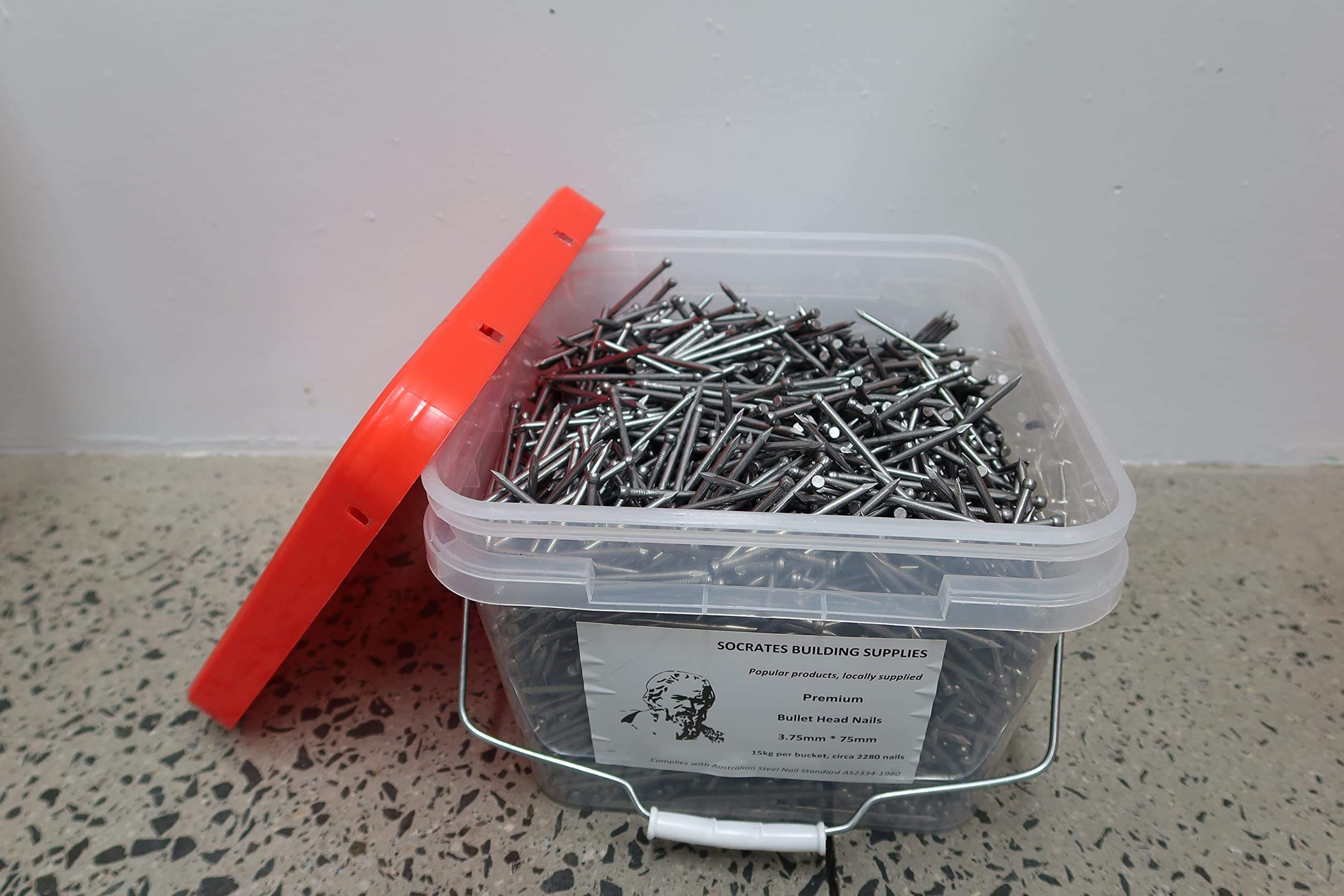
Buying fixings is weirdly easy to mess up. Too few and the job stalls halfway through, too many and they end up in a dusty tub in the shed for three years. The real trick is getting close enough that the project runs smoothly, with a small buffer for the normal stuff. Bent nails. Missed hits. A board that splits and needs redoing.
This guide keeps it practical and Australian based. It also sticks to one key question people keep asking: how many bullet head nails do they actually need?
How many bullet head nails are needed for a typical job?
Most DIY jobs land between 100 and 600 nails, depending on how many boards are being fixed and how close the fixing points are. As a rough rule, they can estimate 2 to 4 nails per board end, plus 1 to 2 nails at each intermediate support.
For small tasks like repairing a fence paling or replacing a few pickets, one small pack is often enough. For decking edges, garden beds, or a whole run of paling fence, it climbs fast.
What exactly are bullet head nails used for in Australia?
They are commonly used for general outdoor timber fixing, fencing, garden structures, and light framing where a strong, simple nail is fine. In Australia, they are often chosen because they suit treated pine and hardwood, and they are easy to buy at Bunnings, Mitre 10, or local timber yards.
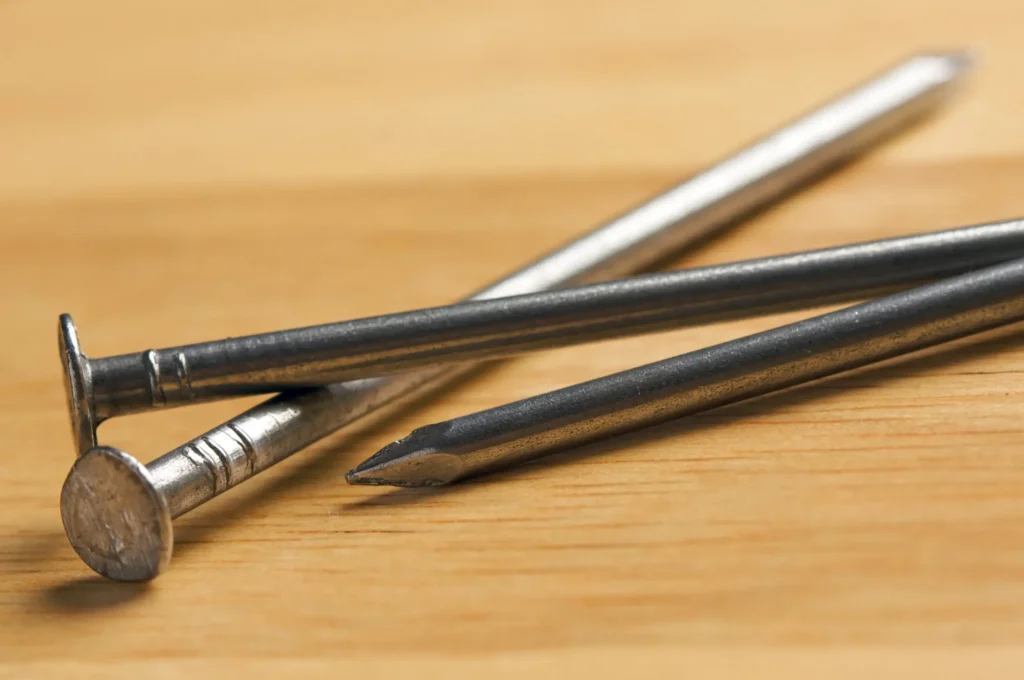
When people say bullet head nails, they usually mean a robust, rounded head nail that drives well and holds firm, especially in rough carpentry. “
How do they calculate bullet head nails for a fence?
They can calculate it in 30 seconds if they know three numbers: number of palings, number of rails, and nails per intersection. Standard paling fences in Australia often use 3 rails, and 2 nails at each rail intersection.
So the quick formula is:
Palings × Rails × Nails per intersection
Example: 80 palings × 3 rails × 2 nails = 480 nails. Add 10 percent waste and they are at about 530 bullet head nails.
How many nails per paling should they allow?
They should allow 6 nails per paling for a typical 3 rail fence, assuming 2 nails per rail. That is the most common pattern because it reduces twist and keeps the paling seated tight.
If the fence is getting battered by wind, or the palings are wide hardwood, they might go 3 nails per rail instead. That pushes it to 9 nails per paling, and the nail count jumps quickly.
How do they estimate bullet head nails for decking or a small platform?
They should start with the number of decking boards, then count how many joists each board crosses, then multiply by nails per joist crossing. Many people use 2 nails per crossing, though screws are more common for deck boards.
Example: 25 boards, each crossing 8 joists, 2 nails per crossing.
25 × 8 × 2 = 400 nails. Add 15 percent because decking eats mistakes, and they are around 460 bullet head nails.
What waste factor should they add so they do not run short?
They should add 10 per cent for straightforward work and 15 to 20 per cent for harder timber or awkward angles. That covers bent nails, misfires, splitting, and the occasional board that needs refixing.
In Australian hardwoods, waste is just part of it. Dense timber can deflect a nail slightly, especially if they are rushing or working overhead. A modest buffer saves a second trip to the shop.
How does nail spacing change the total count?
Closer spacing means more nails, obviously, but it also changes how the structure behaves. For cladding, palings, or weatherboards, they might nail every stud, sometimes with two nails per stud depending on board width.
If studs are at 450 mm centres versus 600 mm centres, the nail count can jump by a third across a long wall. That is why counting supports matters more than measuring the boards alone.
What pack sizes should they buy in Australia?
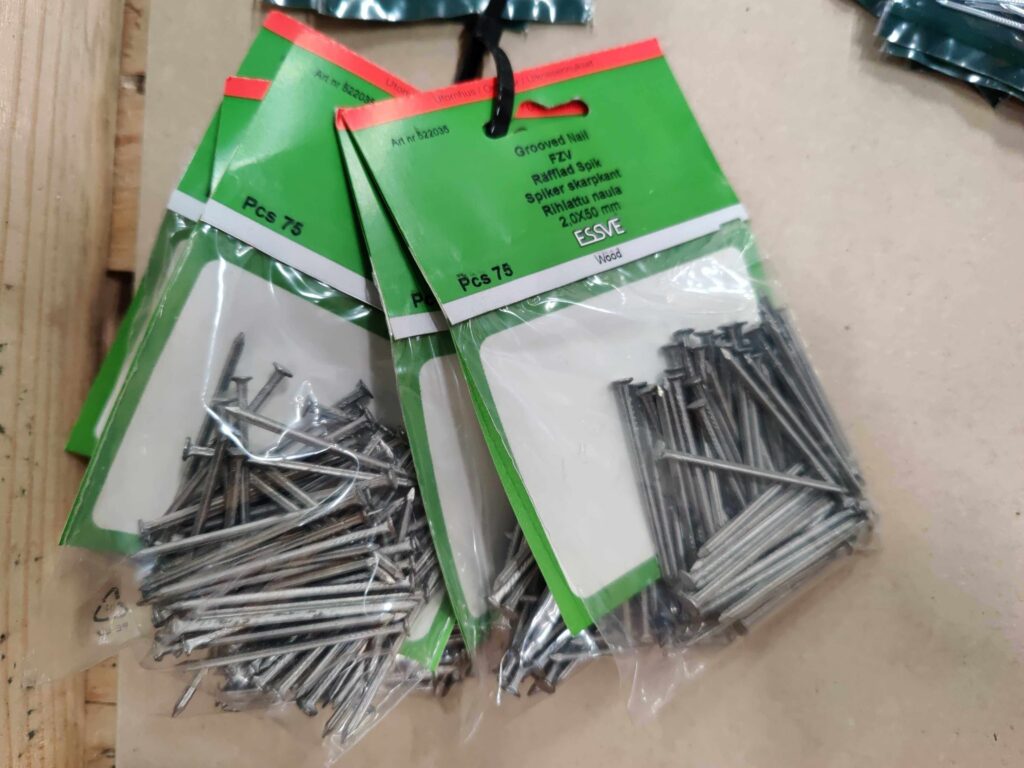
They should buy the smallest pack that covers the estimate plus waste, then go one size up if the price difference is tiny. In Australia, nail packs often come in common round numbers like 100, 250, 500, 1,000.
For a 480 nail estimate, buying 500 can be fine if they are confident. But for beginners, 1,000 is safer and usually not that much more expensive per nail. Especially if they will use bullet head nails again on fences or garden timber.
Should they choose galvanised or stainless for outdoor work?
For outdoor Australian conditions, galvanised is the minimum, and stainless is best near the coast. They should treat it as a durability decision, not just a nail count decision, because rust failures are annoying and expensive to redo.
If they are fixing treated pine, they should match it with the right corrosion rating. Coastal NSW, QLD, WA, and exposed VIC areas can chew through low grade coatings faster than people expect.
How many bullet head nails do they need for garden beds and sleepers?
They should expect 40 to 120 nails for a small garden bed, and 150 to 400 for larger sleeper style builds. The count depends on how many corners, joints, and stacked layers they are building.
A quick method is to count joints, then allow 4 nails per joint for basic corners, or 6 to 8 nails per joint for heavy sleepers that need more bite. Then add 15 per cent because outdoor timber never sits perfectly straight.
This is one of the most common reasons people buy bullet head nails in the first place.
How do timber type and hardness affect nail quantity?
Harder timber does not always change the planned number of nails, but it increases waste and rework. They may bend more nails in spotted gum, ironbark, or old recycled hardwood, so they should buy extra.
Soft treated pine is easier, but it can split if they nail too close to the end grain. That leads to pulling boards off and refixing, which again increases the number of bullet head nails they actually use.
What is a simple cheat sheet they can use before heading to the shop?
They can use this quick guide, then round up to the nearest pack size.
- Small repair, 1 to 5 boards: 50 to 150 nails
- Short fence section, up to 25 palings: 150 to 250 nails
- Full fence run, 50 to 100 palings: 350 to 700 nails
- Small platform or frame: 200 to 600 nails
- Garden bed: 40 to 200 nails
If they are unsure, they should assume the higher end and buy a larger pack of bullet head nails. It is cheaper than losing a Saturday to an extra hardware run.
How can they sanity check their count in under a minute?
They should multiply intersections, not boards. That is the simplest reliable check. Intersections are where timber meets timber, where a nail actually goes.
Fence: palings × rails.
Decking: boards × joists.
Cladding: boards × studs.
Frames: members × connection points.
Then they multiply by nails per intersection, add 10 to 20 per cent, and choose a pack size. That approach works for nearly every everyday job using bullet head nails.
So how many bullet head nails do they actually need?
They usually need more than they think, but not double. A solid estimate plus 10 to 20 per cent waste is the sweet spot for most Australian DIY and light trade work.
For many common projects, 500 is the practical middle ground, and 1,000 is the stress free choice if they are learning or dealing with hardwood. Either way, buying the right number of bullet head nails is mostly about counting intersections, adding a buffer, and rounding up to a sensible pack.
FAQs (Frequently Asked Questions)
How many bullet head nails are typically needed for a DIY timber fixing job in Australia?
Most DIY timber fixing jobs require between 100 and 600 bullet head nails, depending on the number of boards and fixing points. As a rough guide, estimate 2 to 4 nails per board end plus 1 to 2 nails at each intermediate support, with a small buffer for waste.
What are bullet head nails commonly used for in Australian outdoor projects?
Bullet head nails are widely used for general outdoor timber fixing such as fencing, garden structures, light framing, and decking. They are preferred for their strong hold and compatibility with treated pine and hardwood, and are readily available at Australian hardware stores like Bunnings and Mitre 10.
How do I calculate the number of bullet head nails needed for building a fence?
To calculate nails for a fence, multiply the number of palings by the number of rails and then by the number of nails per intersection (usually 2). For example, 80 palings × 3 rails × 2 nails = 480 nails. Add about 10% extra to cover waste and mistakes.
What is the recommended number of nails per paling in a typical three-rail fence?
For a standard three-rail fence, allow 6 nails per paling (2 nails per rail) to ensure stability and reduce twisting. In windy areas or when using wide hardwood palings, increase to 3 nails per rail, making it 9 nails per paling.
How much extra nail wastage should I plan for to avoid running short during outdoor timber projects?
Add approximately 10% extra for straightforward work and between 15% to 20% for tougher timbers or awkward angles. This accounts for bent nails, missed hits, splitting boards, and other common issues encountered in Australian hardwoods.
Should I choose galvanised or stainless steel bullet head nails for outdoor use in Australia?
For Australian outdoor conditions, galvanised bullet head nails are the minimum recommendation. Stainless steel is best near coastal areas due to higher corrosion resistance. Selecting the right corrosion rating is crucial to prevent rust failures, especially when fixing treated pine in exposed regions.