
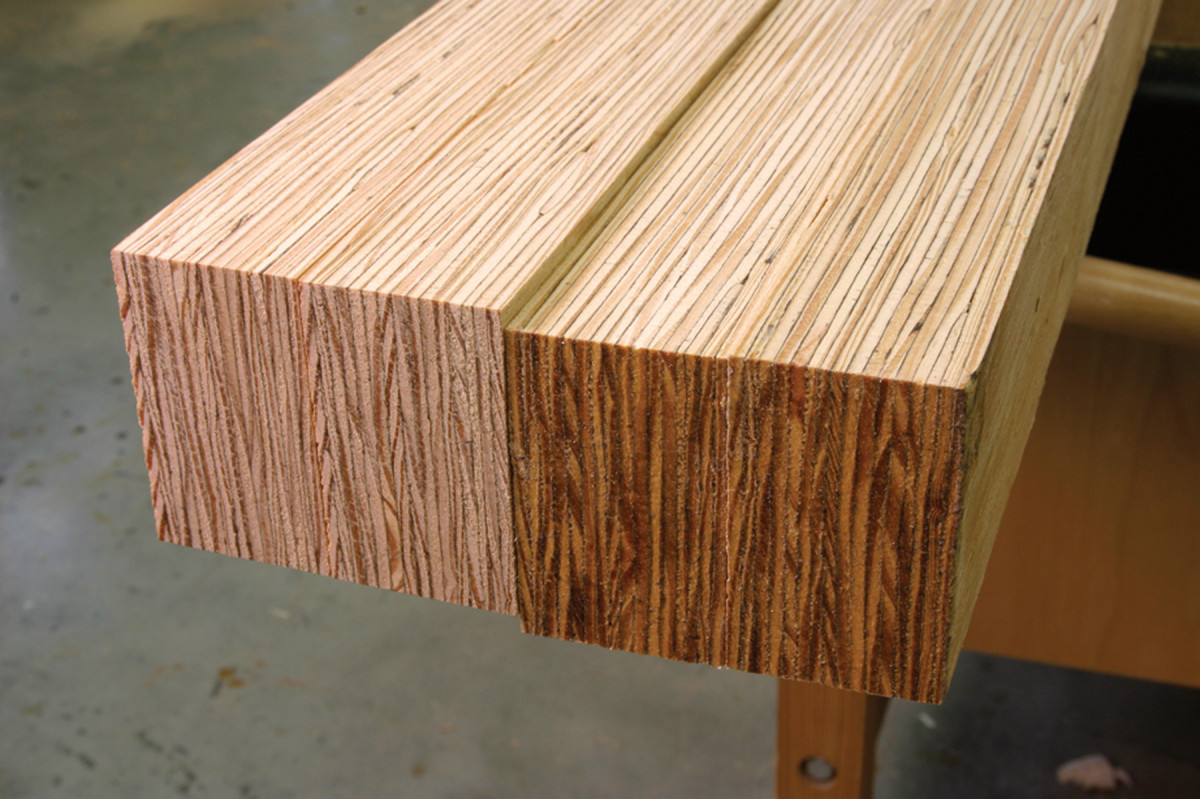
Below are five practical benefits of LVL formwork timber that help projects run tighter, safer, and more predictably.
Why does LVL formwork timber deliver more consistent strength than traditional timber?
LVL formwork timber is engineered from thin veneers bonded under controlled conditions, so its performance is more uniform than many solid-sawn alternatives. That consistency helps crews plan bracing, spacing, and loads with fewer unpleasant surprises.
Because strength and stiffness are more predictable, teams can design and build formwork systems that behave closer to what the drawings intend. With lvl formwork timber, fewer weak spots mean fewer on-the-fly fixes during critical pour windows. Learn more about lvl formwork timber to understand how engineered timber products contribute to more dependable formwork performance.
How does LVL formwork timber help keep formwork straighter and cleaner?
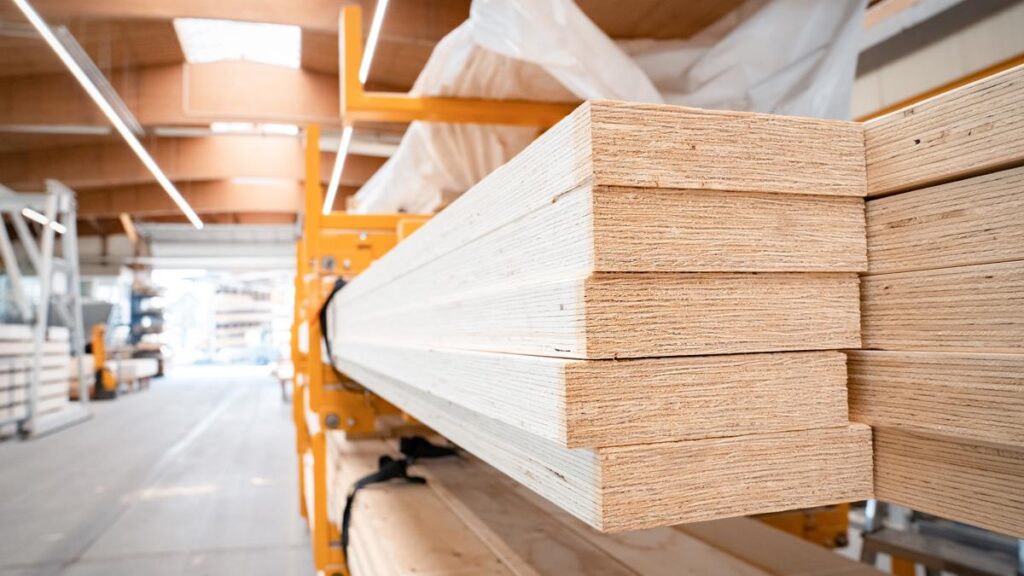
Straightness matters because bowed or twisted members can telegraph through the formwork and create alignment issues. LVL formwork timber is typically manufactured to tighter tolerances, which helps it stay straighter across its length.
Straighter components make it easier to set lines, maintain levels, and keep faces true. When crews rely on LVL formwork timber, they often spend less time fighting crowns, twists, and uneven bearing points that slow setup and create rework.
Can LVL formwork timber improve speed and productivity on site?
Yes, because predictability speeds up decision-making. LVL formwork timber supports faster measuring, cutting, and assembly since members are more consistent in size and behaviour.
That consistency also supports more repeatable workflows across pours. When teams standardise around LVL formwork timber, they can train routines once and apply them across multiple decks, walls, or columns, reducing slowdowns caused by variable material performance. Explore available options at https://ewp.asn.au/wp-content/uploads/2018/12/EWPAA-Structural-Plywood-LVL-Design-Guide-v5-FINAL-1.pdf for more information on engineered formwork materials.
How does LVL formwork timber support safer, more reliable temporary works?
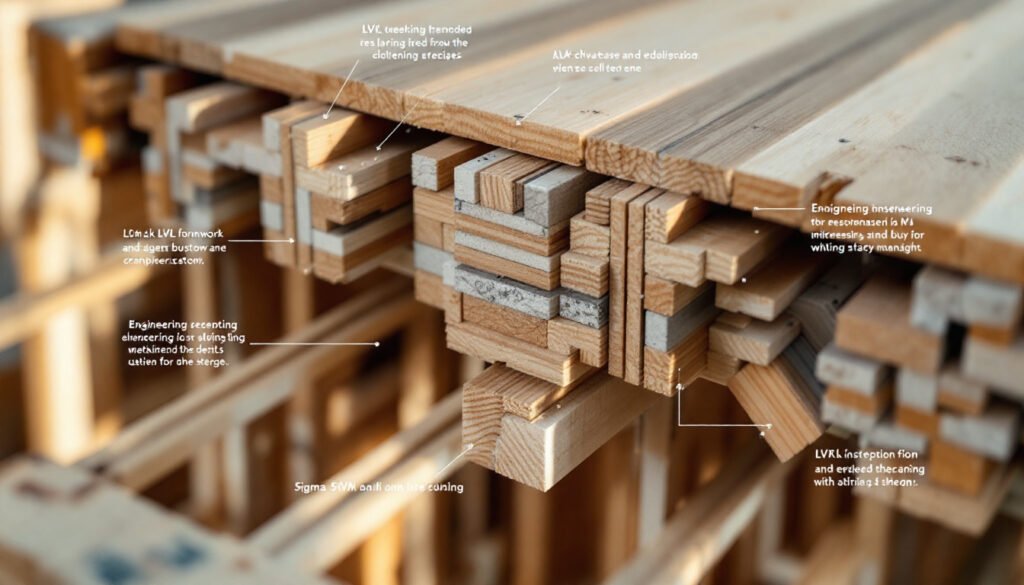
Temporary works need reliability under load, especially when concrete placement, vibration, and site movement add stress. LVL formwork timber can help reduce the risk that a weak or unpredictable piece becomes the failure point in a system.
More consistent stiffness also helps control deflection, which supports safer access and a more stable working platform. When engineers and supervisors know what to expect from LVL formwork timber, they can manage risks with clearer margins and fewer assumptions.
Why is LVL formwork timber a better choice for repeat use and cost control?
Projects often win or lose money in the details: replacements, patching, downtime, and waste. LVL formwork timber can hold its shape better over repeated cycles, which helps preserve accuracy and reduces the need to swap members out early.
That durability can translate into better cost control across multiple pours. When a site keeps LVL formwork timber in a planned rotation, they can forecast usage more confidently, reduce urgent purchases, and keep the formwork system performing as intended.
How should teams choose and use LVL formwork timber to get the best results?
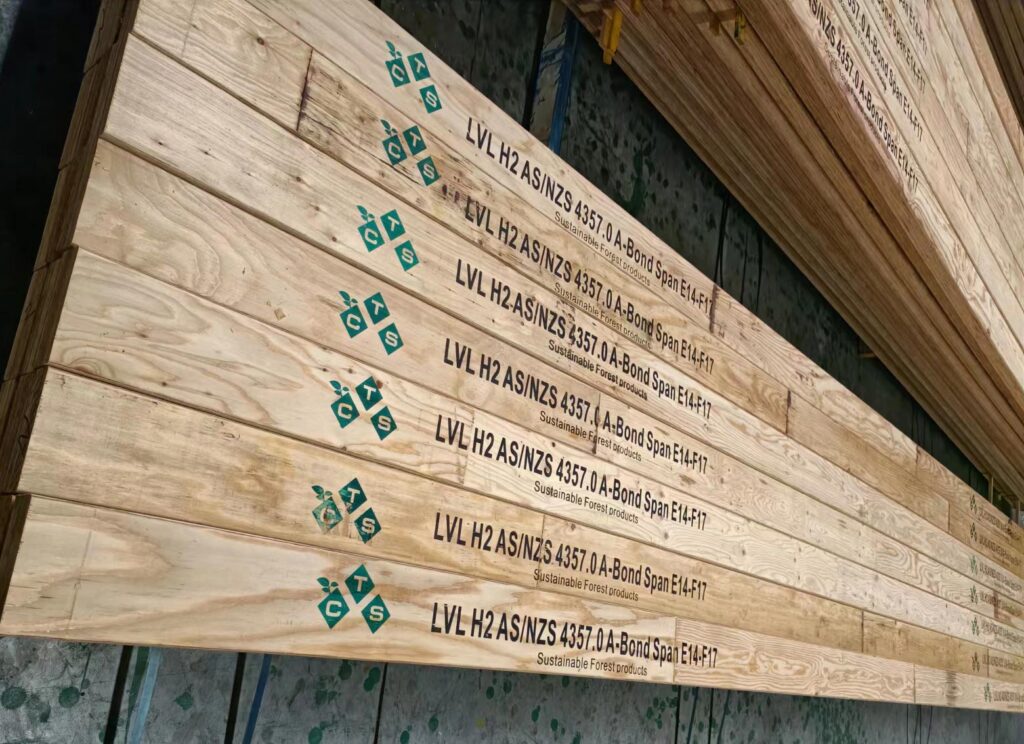
They should match product specifications to the formwork design while ensuring LVL formwork timber is stored correctly and routinely inspected as a structural component. Click here to explore site visibility improvements and understand how enhanced visibility measures can improve safety outcomes across renovation and construction projects.
Most importantly, they should treat LVL formwork timber as part of a system: correct spacing, proper bracing, good fixing practices, and disciplined handling. When those basics are consistent, the benefits of LVL formwork timber show up in straighter pours, fewer delays, and steadier outcomes.