
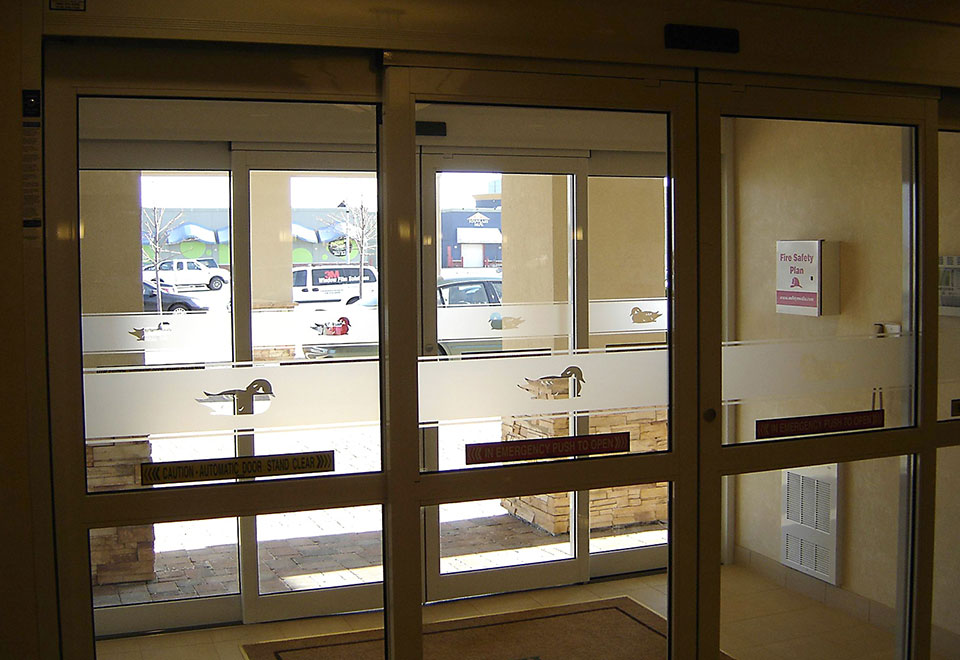
Below are five practical ways better visibility supports painting, renovation, and overall site safety, with examples that apply to homes, commercial refits, and active construction environments.
How can a safety strip reduce slips, trips, and falls during painting and renovation?
A safety strip makes changes in level obvious, especially around steps, thresholds, ramps, and temporary floor transitions. When workers are carrying tools, ladders, or paint, they often scan less, so strong visual cues matter more.
Using a safety strip at leading edges and along walkway borders helps people place their feet accurately and avoid clipping corners while assisting visitors unfamiliar with the site layout. Click here for safety strip solutions that help improve walkway visibility and support safer movement throughout the workplace.
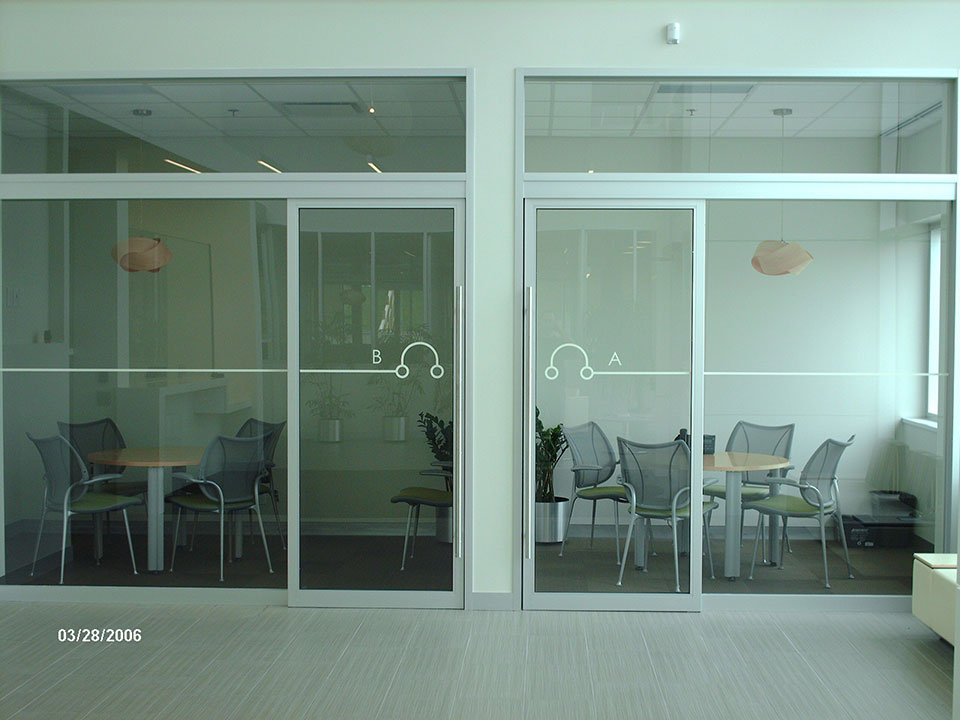
How does a safety strip improve hazard marking without creating visual clutter?
A safety strip works best when it is consistent. Instead of multiple ad hoc signs and taped notes, one clear visual system can mark “do not enter” areas, wet paint zones, and restricted rooms.
Teams can apply a safety strip to outline hazards like exposed wiring, fresh plaster areas, or uneven subfloors. Because the marking is direct and local to the risk, it reduces confusion and prevents people from relying on memory.
Why can a safety strip speed up movement and reduce near misses in high-traffic areas?
When several trades share the same corridors, visibility becomes traffic management. A safety strip can separate pedestrian paths from material routes, highlight pinch points, and guide one-way movement where space is tight. Learn more about safety strip applications to discover how visual guidance systems contribute to safer and more efficient site movement.
A well-placed safety strip reduces hesitation at doorways and corners, which is where bump-ins and tool drops often happen. Clear routes help teams keep pace without rushing blindly.
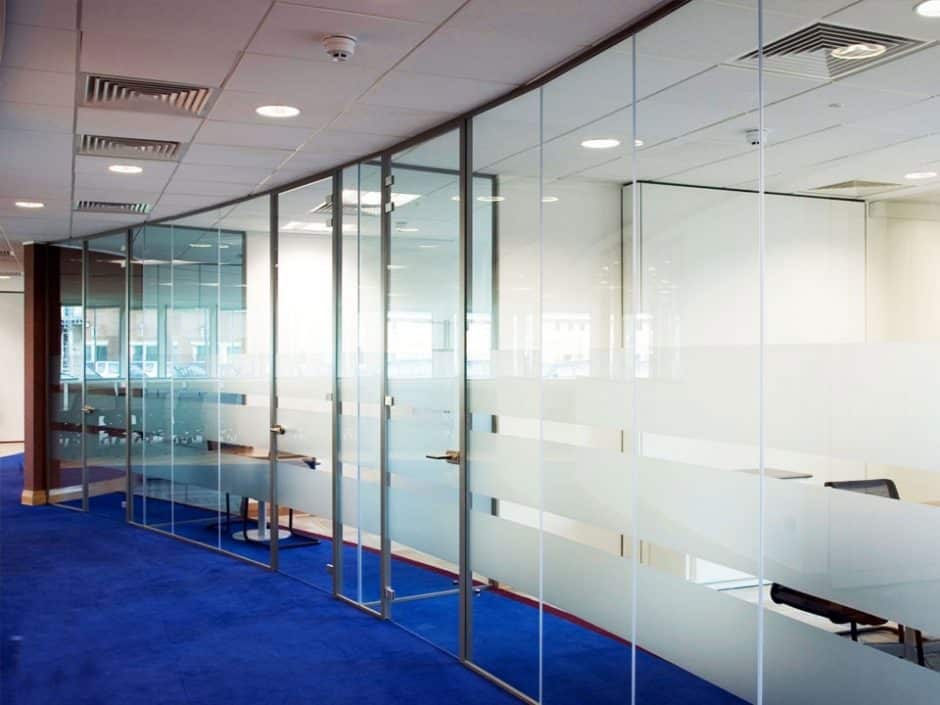
How can a safety strip support cleaner work zones and better quality finishes?
Painting and renovation quality often suffers when people unintentionally brush past wet surfaces or track dust into prepped rooms. A safety strip can define “clean zones” and “prep zones” so people know where to stop, wipe footwear, or change PPE.
Using a safety strip around newly painted trim, drying floors, or protected fixtures reduces accidental contact. Fewer touch-ups mean less rework, less time lost, and fewer solvent or paint exposures from repeated corrections.
How does a safety strip strengthen site safety culture and compliance?
Visibility tools work because they are easy to follow. A safety strip creates a shared language on site, making it simpler for supervisors to brief new starters and for workers to self-correct in real time.
When teams see a safety strip used consistently, it signals that boundaries matter and hazards are managed, not ignored. That improves day-to-day behaviours and supports documentation during inspections, handovers, and client walk-throughs.
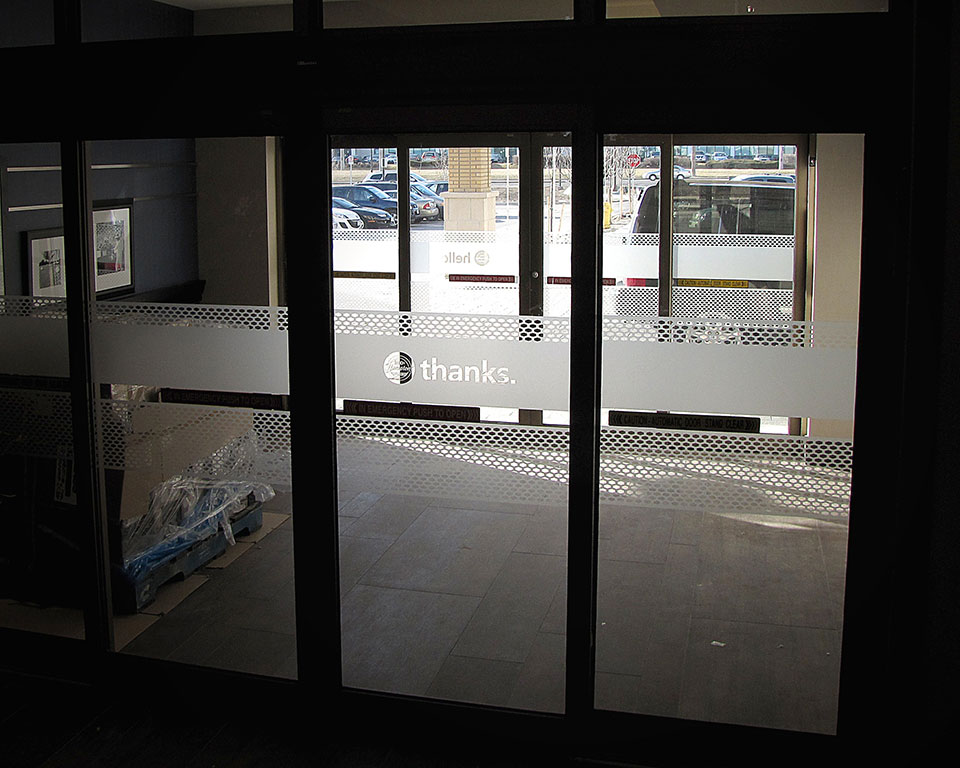
What is the simplest way to get started with a safety strip on a live job?
They should start with the highest-risk, highest-traffic spots: edges, steps, corridors, and temporary transitions. Next, they should standardise placements so the safety strip means the same thing across rooms and floors. Applying consistent processes and understanding engineered formwork advantages can also contribute to stronger and more predictable building outcomes.
Finally, they should review weekly and adjust as the work progresses, because renovation hazards move as quickly as the project does. Done well, a safety strip becomes a small habit that prevents big problems.